
Those magical moments where teaching and learning are at their best…
Teaching Kindness…How to be a good citizen online and offline: As many schools are doing some online learning, it’s important to make the time to talk about digital citizenship. Came across a good webpage on NEO Blog by Diana Z. (July 8, 2020) which offers some good reads: <a rel=”noreferrer noopener” href=”http://Teaching Kindness…How to be a good citizen online and offline: The 9 elements of Digital Citizenship your students need to know
Embracing Change: Students around the world have been thrown into the world of virtual classrooms for online learning. Some schools have been better prepared; likely the ones who have already had in place a tech program and system with solid support and backup. Students who have experienced with aspects of blended or flip learning have the advantage of engaging with learning in different ways and are perhaps more flexible in embracing change. Being flexible is the key to staying sane in times of change.
Be a Lifelong Learner: A terrific opportunity for self-learning presented itself during this of social distancing. After the initial weeks of uncertainties of the virus, the impacts on people’s life in general; it became clear we were in for the long-haul. Some turned to baking up a storm…baking bread from scratch; others their inner artist come out; yet others set up a fitness challenge…We were all learning in one way or another. Many on-line programs quickly became available. Take the time to be a student again; you will be enriched with new experiences as well lead into some reflection on the kinds of online learning tasks you have set out for your own students. For myself, I’m spending the time learning a new language, Korean; and signed on for another IT training program on computational training.
Focusing on efficiency, I would tell students the steps needed to get a project done. But I’ve come to think that spending the time to figure out the process of how to get from A to B is just as important; this gives students the opportunity to work on problem-solving skills. By facilitating learning which helps students see patterns and form algorithms, we teaching the the lifelong skills needed for problem solving.
LIFELONG LEARNING: Practicing what I’m preaching…this summer was filled with online studies. With COVID_19 grounding travel plans, it seemed a good time to feed the brain with new knowledge. Armed with a good iPad, MAC, a Logitech Crayon and all sorts of fancy gadgets, I was good to go. Oh…it was challenging and certainly gave my brain a good mental workout. But I do feel challenged and excited to put what I’ve learned into practical use. This IT Educator certification allows me to further develop myself as a professional leader and to be a more informed facilitator to colleagues and students. There’s been a bit of work but has really gotten me thinking more deeply about the kind of IT integration I am doing. Are they really impactful? Truly maximising student learning? For those of you wanting to learn more about technology and related pedagogy, do check out ISTE’s website. I’ve finished the first two parts; one more to go! 22AUG2020
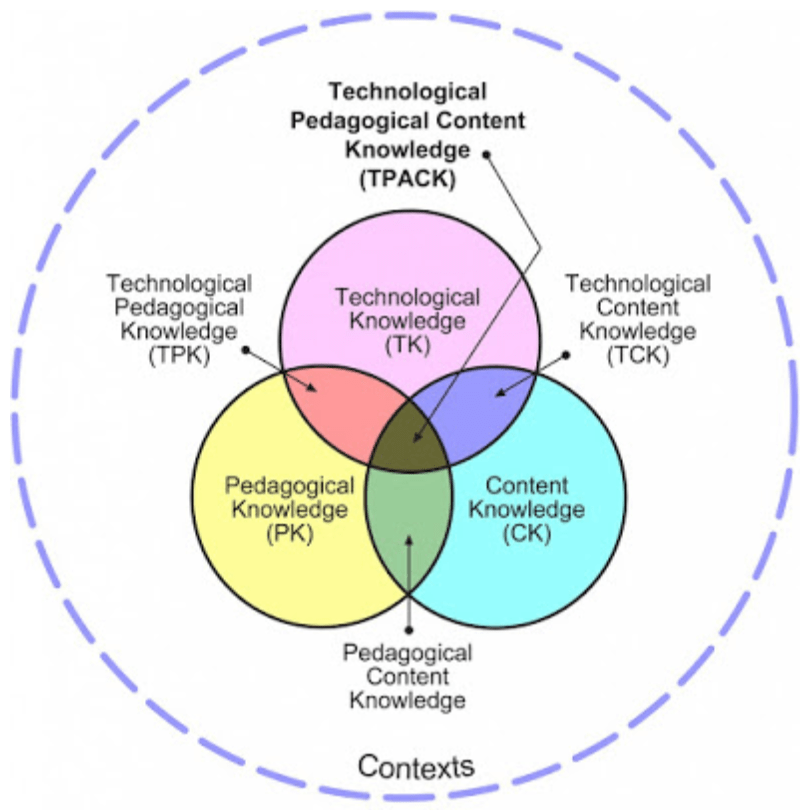
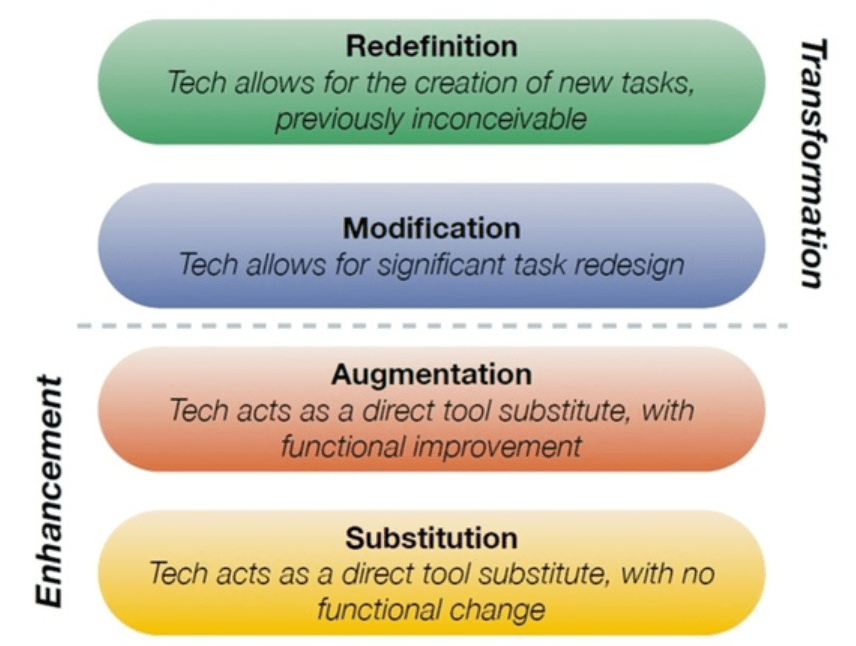
Be ready for Learning: The Covid-19 virus has created changes in the ways we work. Those who have a flexible mindset, able to adapt, and take things in stride will likely be better able to weather out the storm as the virus evolves, upsetting daily routines. More than ever, it becomes apparent that a certain level of computer literacy is essential for success. Students are served best when they have developed the skillset which allows them to face future challenges confidently.
Reflection on learning: Create opportunities for various forms of reflections; whether personal or with peers; it is a powerful tool.

Life’s experiences: A recent experience reminded me that we never know when a child is looking up at us and watching. Watching to see how we speak, how we act, how we respond to a situation. Whilst making decisions based on convenience and cost might be the most economical and efficient, they are not always the best ways to lead and model for others.
An incident which started on the lower decks of a bus ended up on the streets. People on the upper decks, myself included, peered curiously out the window and witnessed an assault take place. The bus driver stepped out to assist. Soon afterwards, a passenger voiced the opinion that the bus driver should get back into to the bus and drive. Afterall, the incident did not involve the passengers; it is not our problem…If we get stuck here, we are victims too.
Just one day earlier, second-graders took part in a presentation and activity about being an ‘upstander’ as opposed to a ‘bystander’. I looked around and saw children watching and listening and I wondered what they must be thinking of us adults. Not wanting them to think that there was only way of looking at the situation, I spoke up and voiced that actually, we are already involved as we were all looking out the window together and are witnesses to the incident.
It is so easy to be a bystander at times, but if it is within our power and the situation safe, it is more rewarding to know that we have helped someone out of a trouble spot. You never know when a child is watching and learning from you.
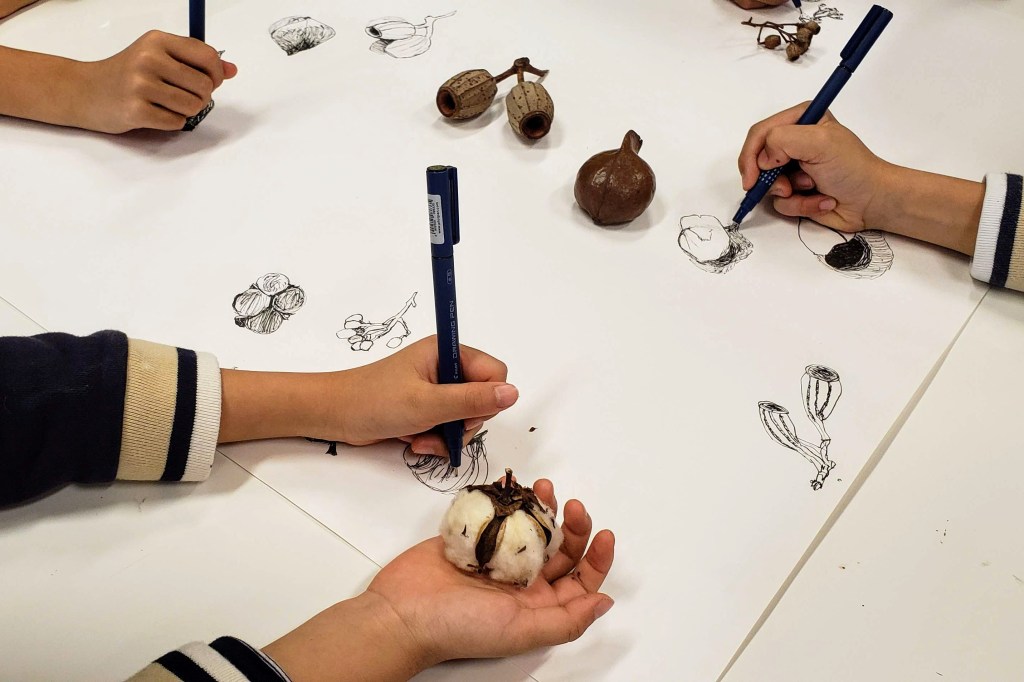
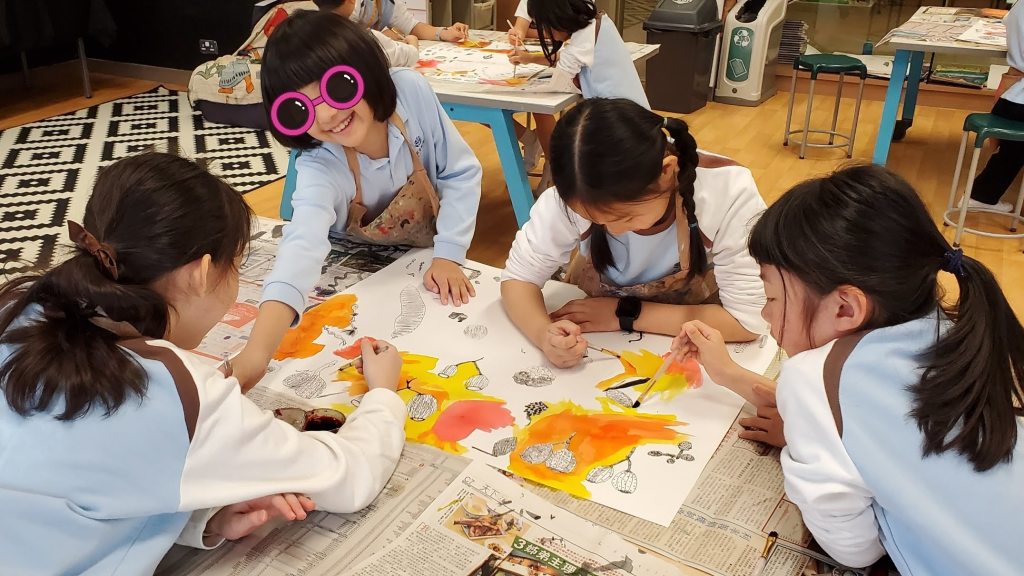
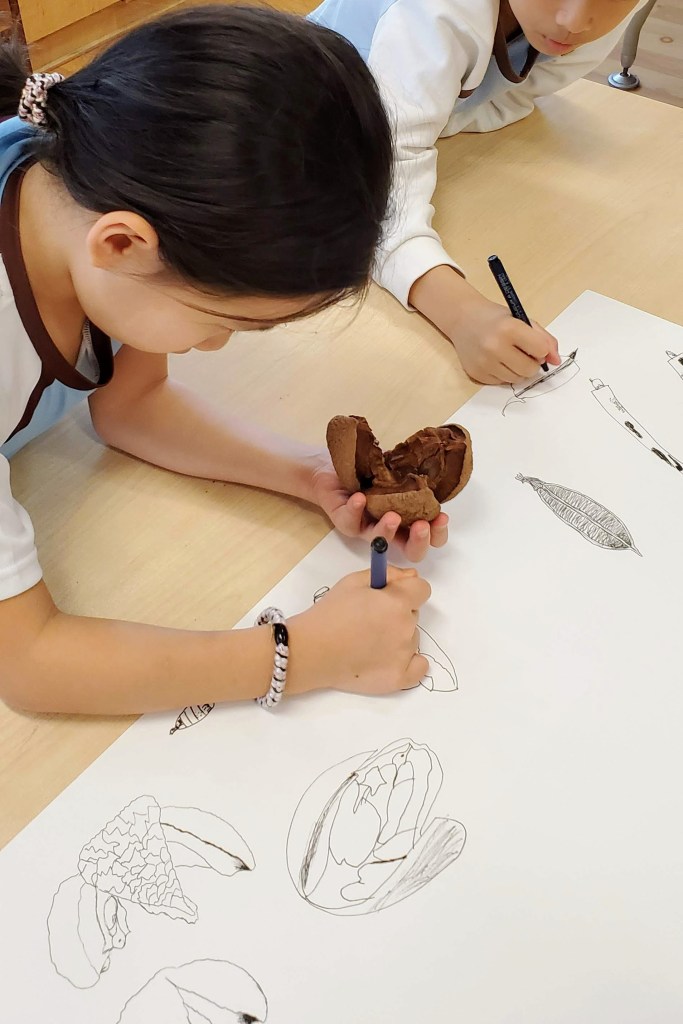
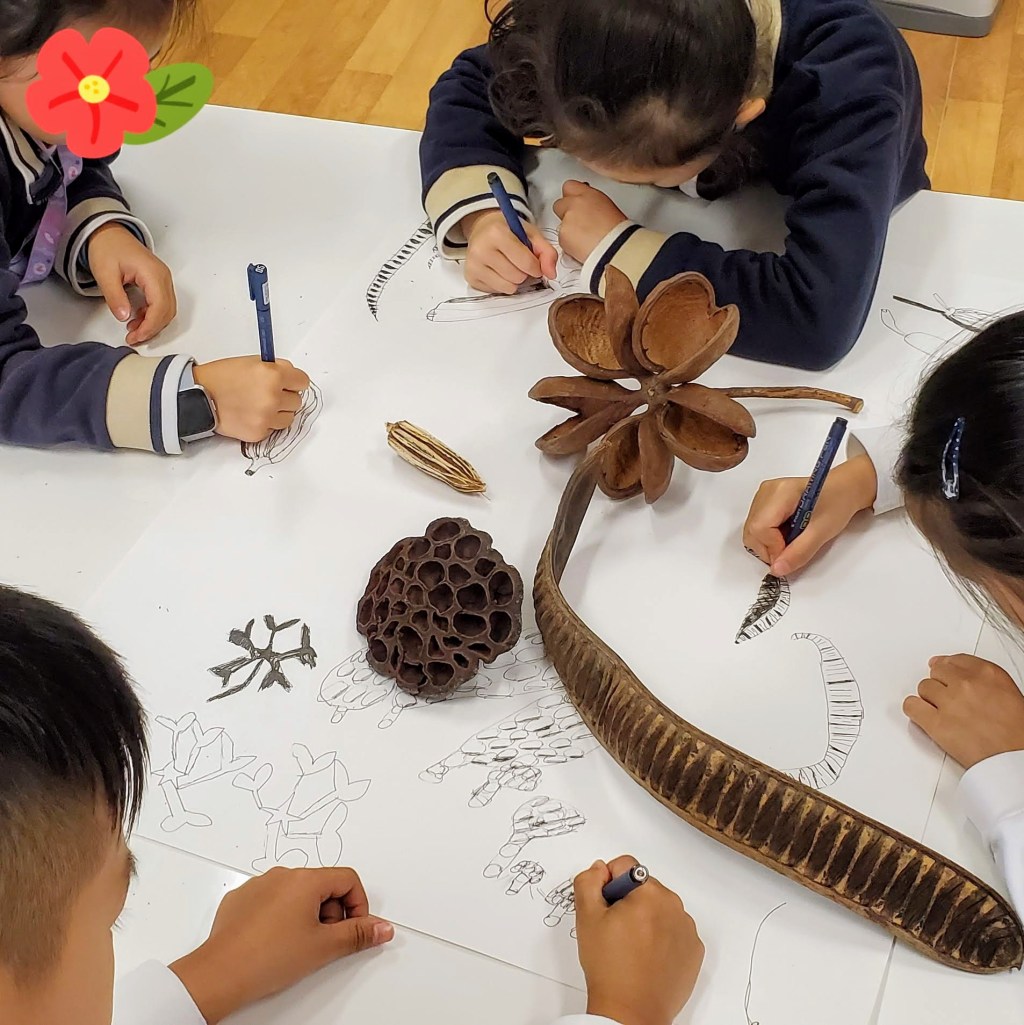
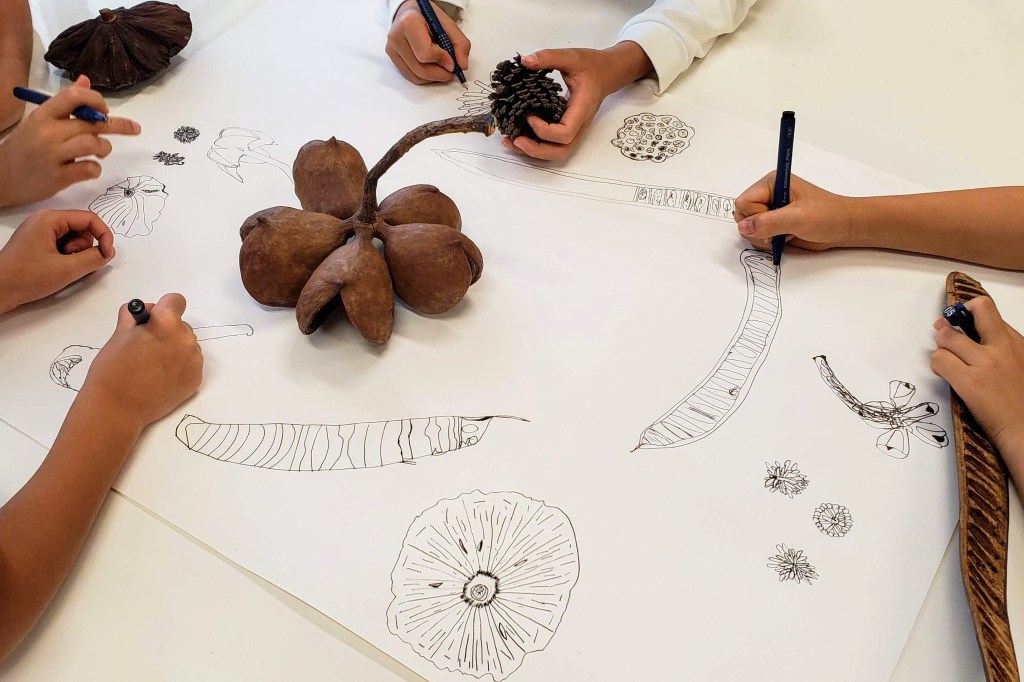
Instilling a love for nature: Take a trip around the campus grounds; collect seeds, leaves, and twigs. Feel, smell, and make good use of observation skills to draw what you see; not what you think you know. These little lessons involving our natural world will surely nurture lasting respect for our Earth.


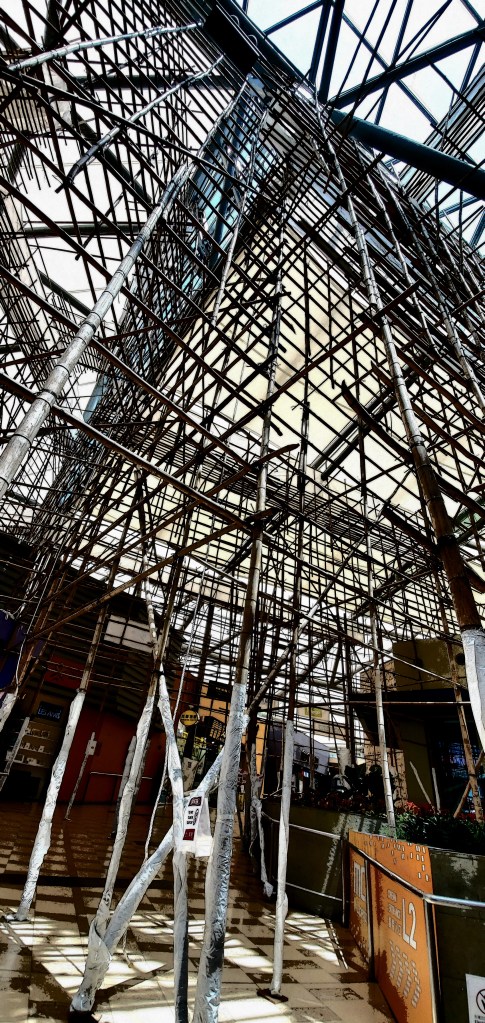
INSPIRATION FROM SURROUNDINGS: Noticed the scaffolding at a nearby shopping arcade. Was amazed at the lines, patterns that I saw. Surely some math or art possibilities here! 25AUG20
 msmonica